Individual Therapy
for Adolescents
Brooklyn-based therapy practice helping teens to grow and heal across the lifespan
Specializing in treating anxiety, depression and trauma
Serving adult survivors of childhood trauma struggling with lifelong patterns in relationships.
Supporting families in the community for over 15 years




So much of what adolescents need is the feeling of being seen and understood,
and individual therapy is a relationship structured to facilitate a teens growth, change and healing.
The therapist plays a very important role of trusted adult who is not a parent or teacher, and therefore can create a nonjudgmental but supportive environment.
This allows adolescents to speak more openly than they might with other adults, and expect more effective support than when speaking with peers. In weekly sessions, adolescents talk about issues related to platonic and romantic peer relationships, changing dynamics with parents, social pressure, competing expectations, and a sense of pressure and overwhelm about academic life and growing up.

I have always felt passionately about my work with adolescence since my early days training in the Mt. Sinai Adolescent Health Center. My first, and at times, most important job is to be a caring, involved adult who is NOT a parent to your child. Typical children and adolescents will often consult with peers in addition to or instead of their caregivers as a developmentally appropriate part of this season. As a teen’s therapist, I am able to represent the voice of “adult reasoning,” with the validation and perspective taking that teens long for. Parents of teenagers are very familiar with the common adolescent gripe, “you just don’t understand me!” Parents and adolescents alike often report frustration as important conversations grind to a halt because no matter how well meaning a parent can be, their teen seems “stuck” on feeling misunderstood, and “refuses” to take in the parents’ alternative perspective.
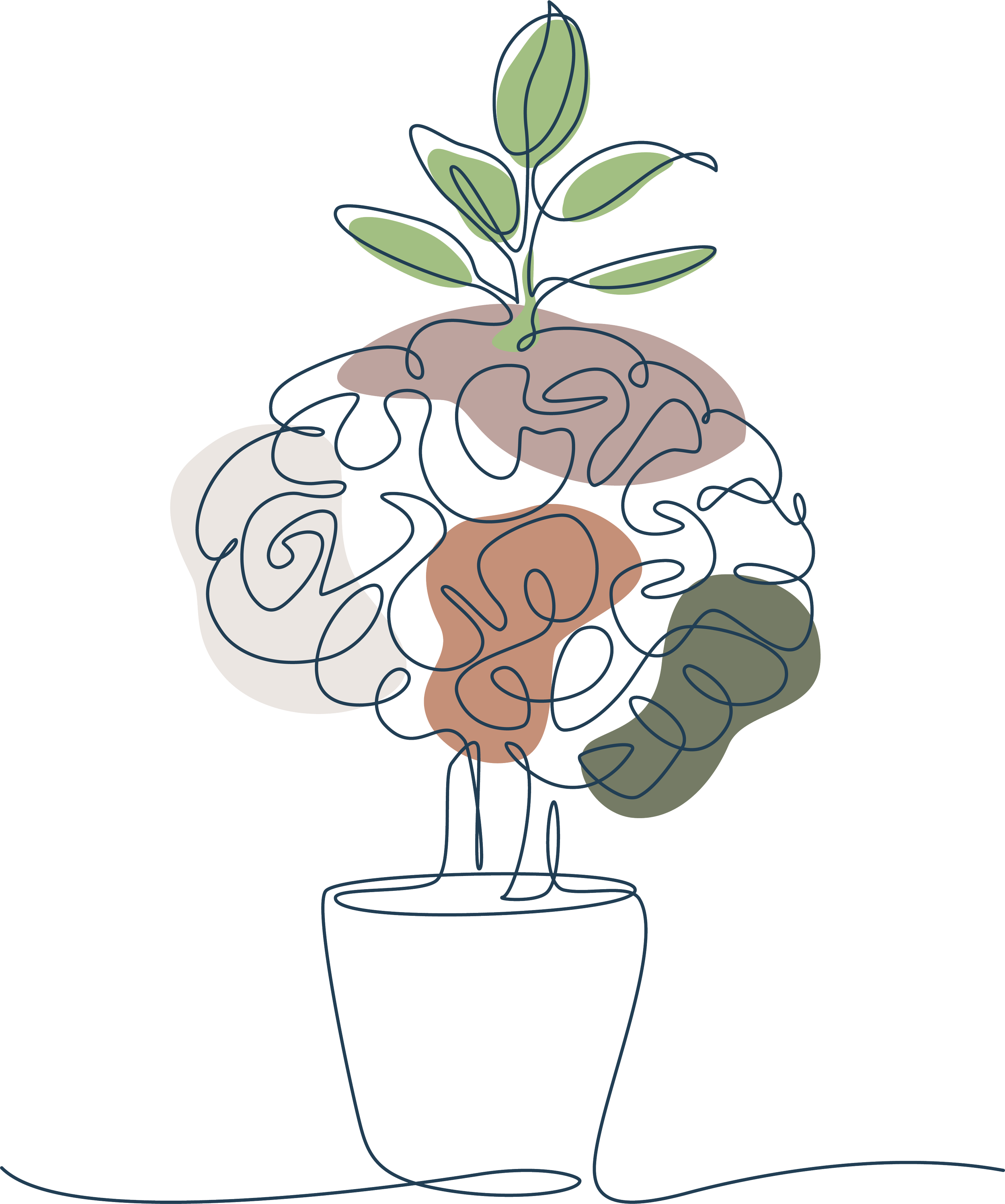
“You just don’t understand me” is a reflection of the unique brain development of adolescence, in combination with the changing parent-child dynamic that is a hallmark of this transition to adulthood. In adolescence, the pre-frontal cortex, or the part of the brain most responsible for “adulting” (applying rational thinking to planning and decision making) is coming online and exploding in growth. Adults often recognize this growth when their teens begin to express logic, reason, and critical thinking when teens begin to question things. However, these skills are still emerging, and at times adults can become frustrated when they expect that this presence of mature thinking is inconsistent.
It is important to remember that this “adulting” isn’t the only area of the brain exploding with growth during this time. The amygdala, or the emotions center of the brain, is developing even more quickly, which means there is often a tug of war between big, overwhelming emotions, and the still emerging rational thinking that is not yet developed enough to reign in and regulate those emotions as quickly as they are expressed. This uneven development, in other words, means that your teen’s experience of their own emotions is as overwhelming as it appears to you. Indeed, they are feeling these real valid feelings, and while they have grown physically and cognitively more adult like, they still do not have the impulse control, and cognitive “finesse” to express these emotions as effectively as we expect from adults. With the emotions hitting hard and fast, and outpacing logic, teenagers often do feel completely misunderstood, both because they struggle to articulate these emotions as effectively as us adults do (with the underdeveloped reasoning). Teens are also truly experiencing their emotions more intensely than the adult experiences in their own emotions at this stage of development, which mistakenly leads many adults to question how difficult the experience is for their teen. Adults may overestimate their ability to identify with their teen because they remember their own emotionally tumultuous experiences, but respond, instead, to the seeming lack of “logic” or “reasoning” that would ordinarily help an adult temper their own experience.

What is so special about adolescence?
Adolescence is a critical time, and a season of major changes in your child physically, socially, cognitively, emotionally, and within the family constellation.
As your child grows and changes, different demands are placed on you as a parent, and often by your own child who is not able to articulate or clarify subtle or more noticeable shifts in the parent-child dynamic.
Adolescence historically is a time children begin to seek more distance and independence from their parents and caring adults, and explore different aspects of their identity, interests, talents, values and beliefs. It is a time to “try” on many different versions of themselves, and to emerge from their transition into young adulthood with a new ownership of their identity as belonging uniquely to themselves, not their parents, family or friends.

Another way in which typical teen development leads to common obstacles in the parent-teen dynamic is the very natural desire for “ownership” and autonomy that teens express. As their brain experiences the big, final push in growth to reach the finish line for an adult brain (which won’t be “fully cooked” until 21-25), they experience a strong drive for independence.
This can be confusing at times, for example, some parents wonder, if they want to be independent, why don’t they do their own laundry or stay on top of their own school work? However, to understand what it looks like for someone to express this early desire for autonomy while still developing the ability to be truly independent, it helps many parents to remember their child’s toddler years. Remember when your toddler insisted, “No! I do!” No matter how much more laborious or time consuming it was to allow your toddler to do simple tasks themselves, it is less about how closely they can imitate an adult in doing it, and all about their own belief that they themselves are actually capable of doing for themselves what they had to rely on adults doing. It is an expression of ownership and autonomy, not efficacy. Similarly, teens will often express wanting to make decisions for themselves, such as in what classes to take, how to manage their time, what to wear and eat.
While parents of teens initially are reassured to see their child want to develop some independence, they struggle with pulling back their own control over the process, or in allowing their teen to struggle with something independently and not rushing in to save them too quickly. Just like when they were toddlers, the desire for “I do!” is stronger and more willful (thanks to that amygdala) than the “adulting brain” is ready to be able to apply effective time management and decision making. I play a special role in treating adolescents in recognizing and encouraging their growing desire for autonomy, while also being able to get teens to reflect on what they feel like they still need (skills, opportunities, resources) to be effective. Just as it was so clear to us that our toddlers would feel frustrated and ashamed when they could not “do” the way they insisted, teenagers are vulnerable to feeling ashamed, and incapable when they struggle to “do” independently. This makes them particularly sensitive and reactive to even the most well-meaning criticism by parents, and some teens may be less likely to go to their parents or adults for help, not because they are trying to be difficult, but instead, because they are protecting that vulnerable ego.
As a therapist who is a caring adult, but not a parent or teacher with specific demands for performance, I am able to make teens feel safer and more comfortable to work with me on navigating what else they need in order to be effective. An individual session with a teen can run the gamut from actively listening to a teen “venting” to help them understand their feeling, all the way to co-creating an effective schedule for homework and studying to reduce overwhelm. I creatively use not just talking, but art, poetry, song lyrics- any means of expression- to help teens understand what they are feeling and truly feel understood. I also am known to take out my favorite white board to enter “teacher-mode” to empower adolescents with the knowledge and understanding of their brain development, hormones, physical changes, to answer the question “why do I feel like this?” and normalize it within the context of healthy growth.
As teens feel more supported, on their own terms, in a more autonomous way, it often relieves some of the pressure from the parent-teen dynamic at home. Knowing their teen is getting support from a healthy resource in therapy, parents often feel more at ease being patient and extending grace through the ups and downs of adolescent development. As teens develop more effective self-regulation and management skills, they often “rehearse” hard conversations they need to have with peers, teachers, and parents. As needed, I may “host” a parent in a family session to support the teen and parent in tackling hard conversations so teens can implement their new skills, and parents can practice more active listening (and not just problem solving) in the safety of the therapy room.
Signs your teen may benefit from therapy:
Asking for therapy!
Many teens report asking to speak with a therapist, though they may not always be comfortable sharing the reason why with their parents, or not really being able to articulate the feelings they are struggling with. In my experience, most teens get to a place where they are far more comfortable sharing their concerns with their parents, often even in the first session – but getting over the anxiety of that initial request can be difficult. Teens are turning to social media and AI for advice and problem solving that is much more safely and effectively handled in therapy. If your teen is asking to speak with someone, you can use a consultation to discuss the concerns for treatment together.
A recent change in your teens functioning,
such as a significant change in weight, sleeping habits, work/study habits, grades, a sudden loss of interest in previously enjoyable activities. While adolescence is a time of significant and sometimes sudden changes, these can also sometimes indicate more serious concerns such as depression, anxiety, poor self confidence, or even exposure to a traumatic experience.
Your teen expreses confusion about themselves or anxiety about finding purpose and meaning in their life now, and moving towards adulthood, college and career development.
While this is often a developmentally appropriate part of normal adolescence, it can also be an important juncture for families to add a therapist to their teen’s “team.” Anxiety about identity doesn’t just impact the teen, but often causes anxiety, guilt, or even anger in their parents, as they worry about their child following an “unsuccessful” path, or not prioritizing future success.
A significant change in emotion regulation or struggling to manage themselves effectively in their day to day life
(advocating for themselves socially, speaking up and asking for help in school, expressing their emotions to others). As they are all also common in teen development, therapists can be very effective in supporting teens and their parents through evaluating and understanding whether the causes of these struggles are typical, or signal an underlying problem such as an undiagnosed attention problem, mood disorder, or a poor fit between the teen and their school or social environments.

Get Started